StockDesk – Internal Inventory System for Multi-Store Furniture Retail
The Problem
A growing furniture brand with retail locations across multiple cities faced a familiar operational nightmare: stock coordination at scale.
Sales representatives were spending more time hunting for inventory than closing deals:
- Phone tag between stores — Constant calls to check if an item was available at another location
- Spreadsheet chaos — A shared Google Sheet linked to the ERP system that was perpetually outdated and slow to load
- ERP avoidance — The company's enterprise ERP was powerful but impenetrable for frontline staff, requiring specialized training most never received
The result was predictable: booking delays, double-selling the same item to different customers, and mounting frustration for both staff and buyers.
The Solution
I designed and built StockDesk as a lightweight, purpose-built web application that sits between the complex ERP and the people who actually need inventory information.
Core Features
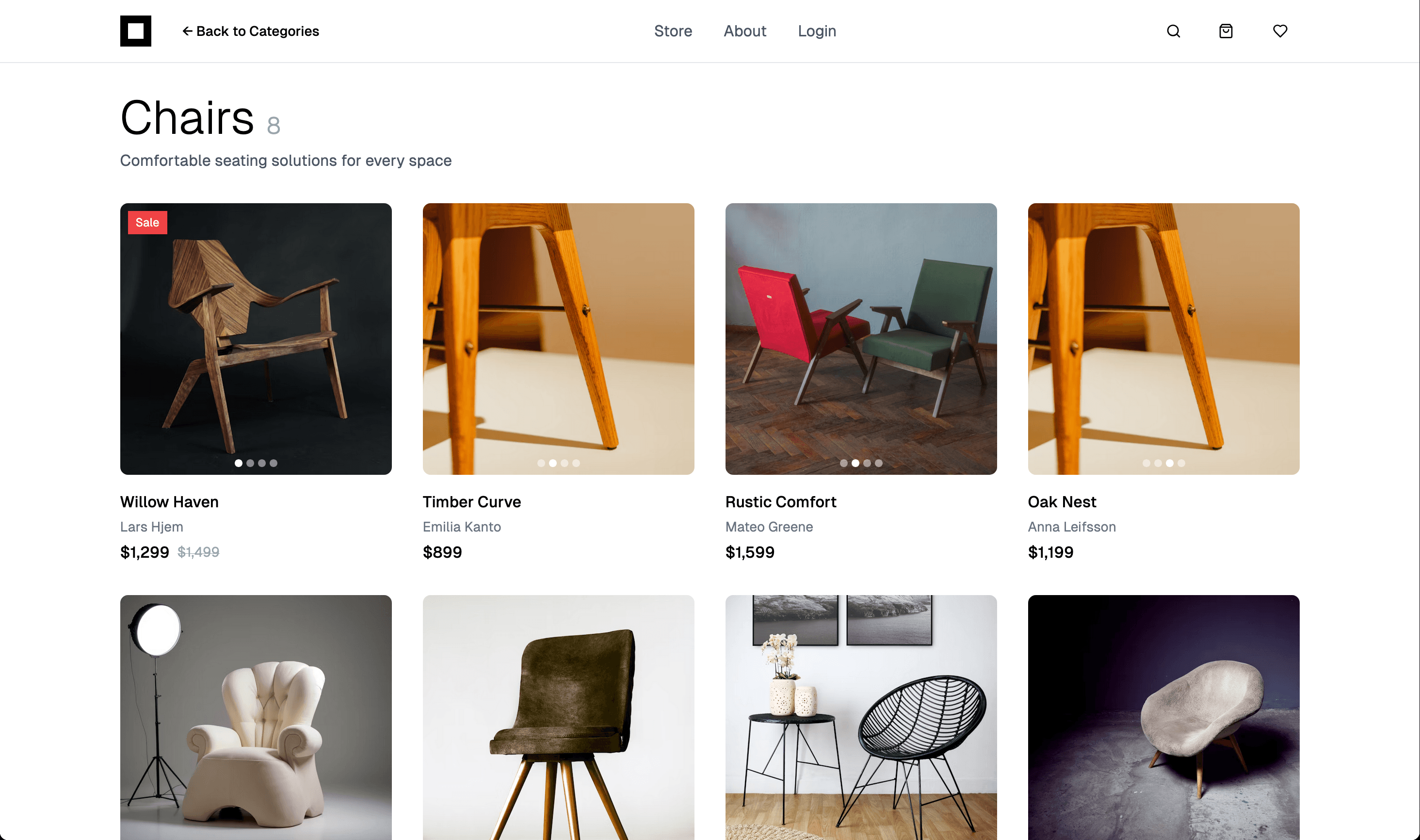
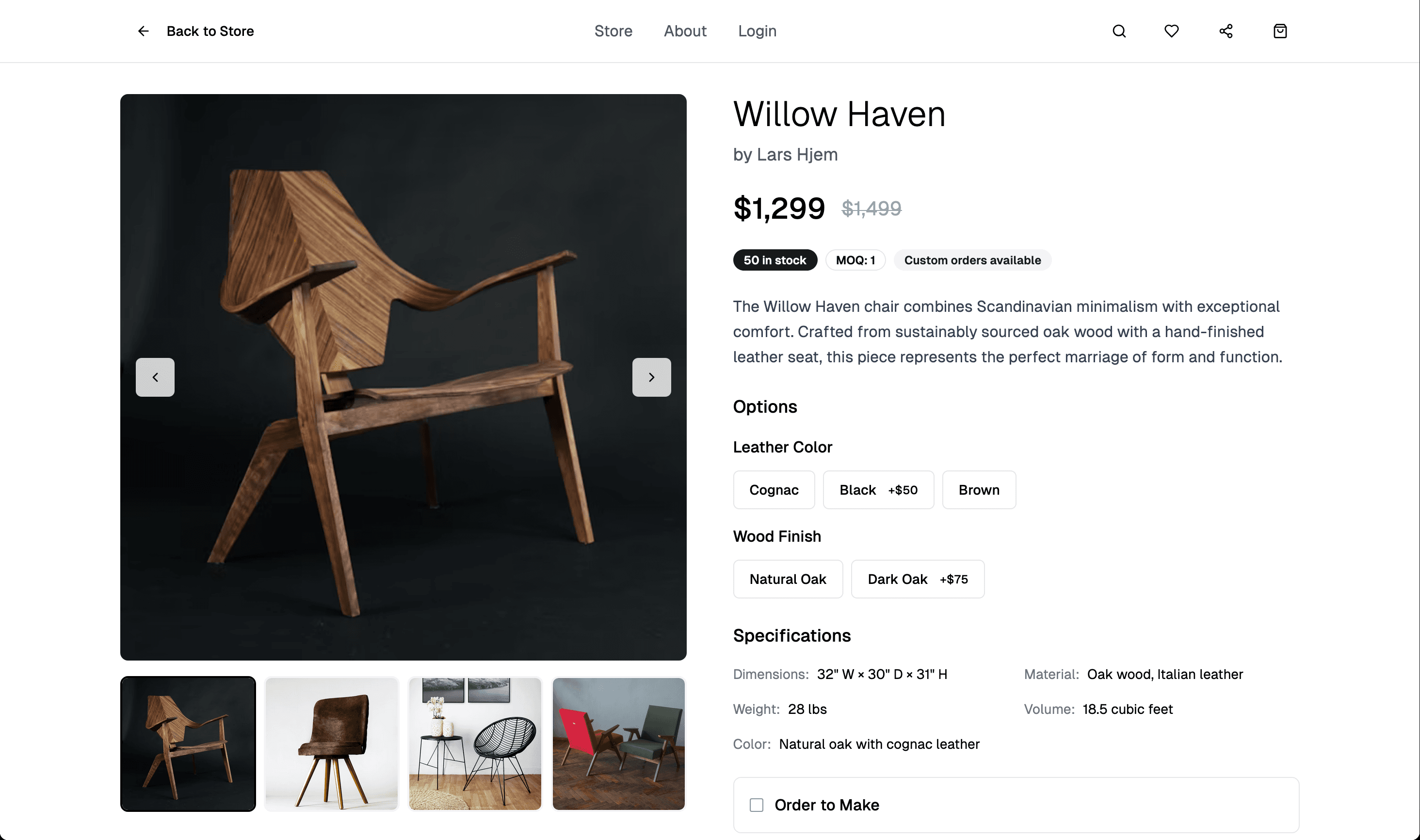
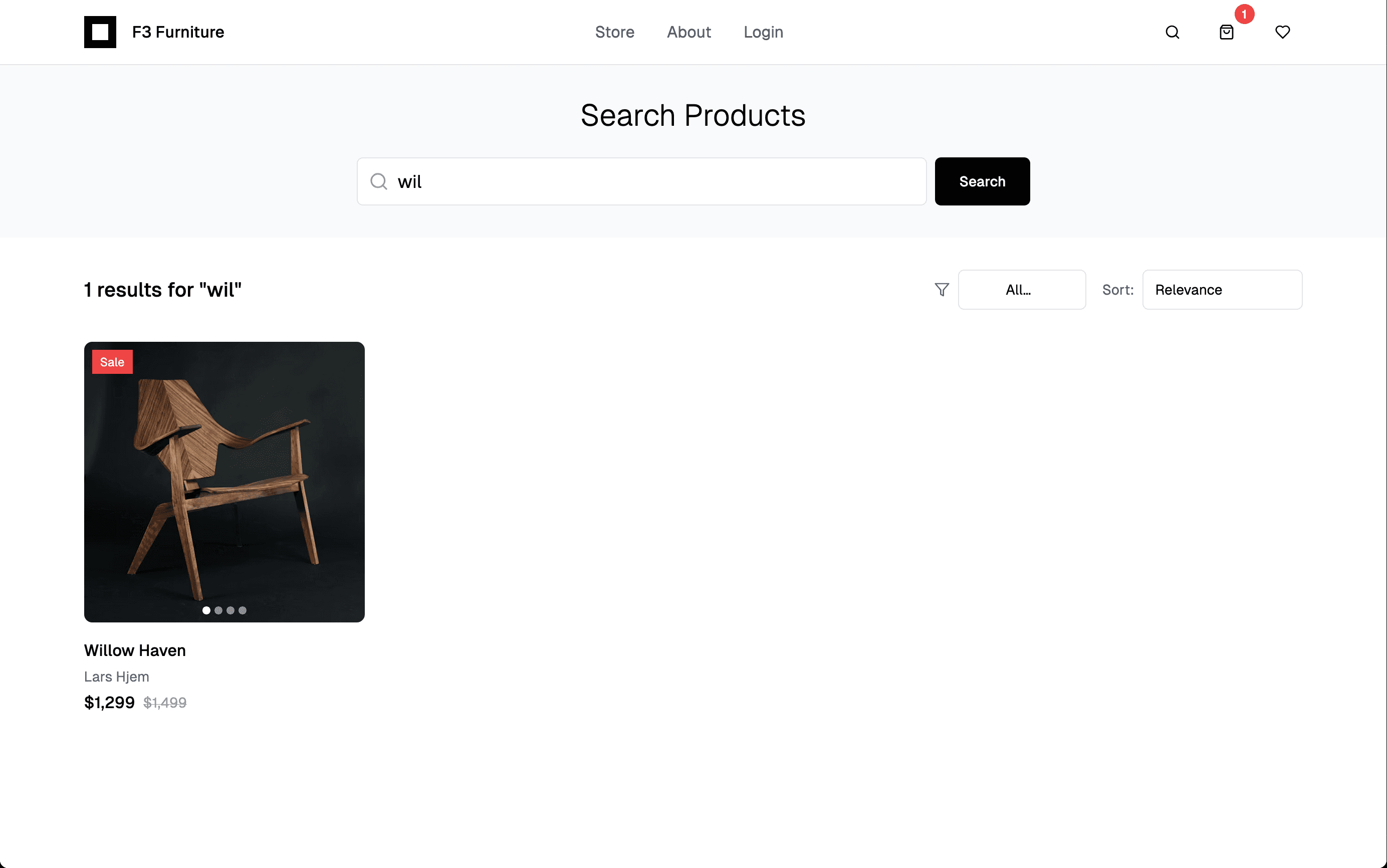
Real-Time Stock Search Instant lookup across all store locations by model, size, color, material, and availability status. No more phone calls, no more spreadsheet refreshes.
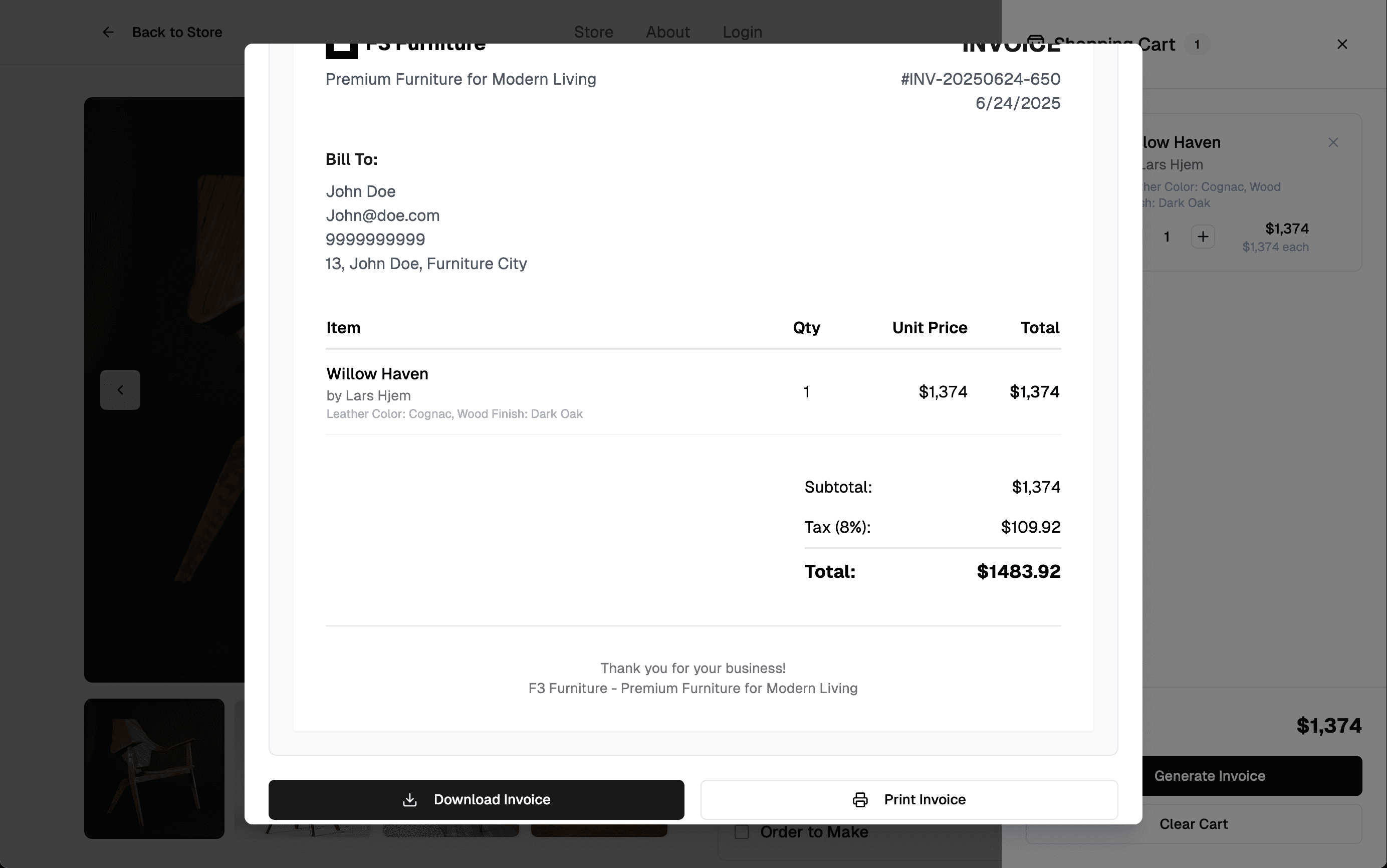
One-Click Booking Sales reps can mark items as "sold" immediately, blocking them from other stores in real-time. The system records customer details and generates an automatic dispatch log for the factory team.
Role-Based Access Simple but effective permission separation:
- Sales reps — Search, book, and view
- Store managers — Override holds and view cross-location inventory
- Factory dispatch — Access booking logs and fulfillment queues
ERP Integration StockDesk syncs bidirectionally with the existing ERP, ensuring the source of truth stays current while presenting a vastly simpler interface for day-to-day operations.
Technical Implementation
| Component | Technology | Rationale |
|---|---|---|
| Frontend | React + Tailwind CSS | Fast, responsive UI that works on tablets and desktops in store environments |
| Backend | Node.js + Express | Lightweight API layer for ERP synchronization and booking logic |
| Database | MongoDB | Flexible schema for inventory variations; fast query performance for real-time search |
| Hosting | Render | Zero-downtime deployments with automatic scaling during business hours |
| Auth | JWT-based sessions | Simple, secure access control without enterprise identity complexity |
The Impact
After deployment across all retail locations:
- 90% reduction in booking errors — Confirmed by client reporting
- Faster in-store sales cycles — Reps close deals without pausing to verify stock through other channels
- Organized factory workflows — The dispatch team receives structured booking logs instead of scattered phone messages and handwritten notes
- Reduced ERP training burden — Only one backend administrator needs deep ERP knowledge; frontline staff use StockDesk exclusively
Why It Succeeded
The technical stack was straightforward. The success came from designing for the actual users:
-
Speed matters in retail — Every screen loads in under a second because reps won't wait during customer conversations
-
Mobile-first thinking on desktop — Large buttons, clear typography, and obvious actions for staff using the system while standing with customers
-
Progressive disclosure — Simple search for everyday use; advanced filters available when needed
-
Respect for existing workflows — The system adapted to how Indian retail teams actually work, rather than forcing adoption of foreign processes
-
Reliable synchronization — The ERP integration is invisible but bulletproof, building trust that StockDesk data is always current
Lessons for Similar Projects
- Internal tools must be faster than the alternative — If a phone call is quicker, staff will use the phone
- Training is a design failure — If users need a manual, the interface isn't clear enough
- ERP complexity is a tax on operations — Thin layers that simplify without replacing can transform workflows
- On-the-ground observation beats specification documents — Understanding actual user behavior revealed requirements no stakeholder interview would have surfaced
Technology stack: React, Node.js, MongoDB, Render
Duration: Build sprint with ongoing incremental improvements
Outcome: 90% error reduction, operational friction eliminated