Burner Wallet Interface – Web App for NFC Hardware Wallets
The Pivot
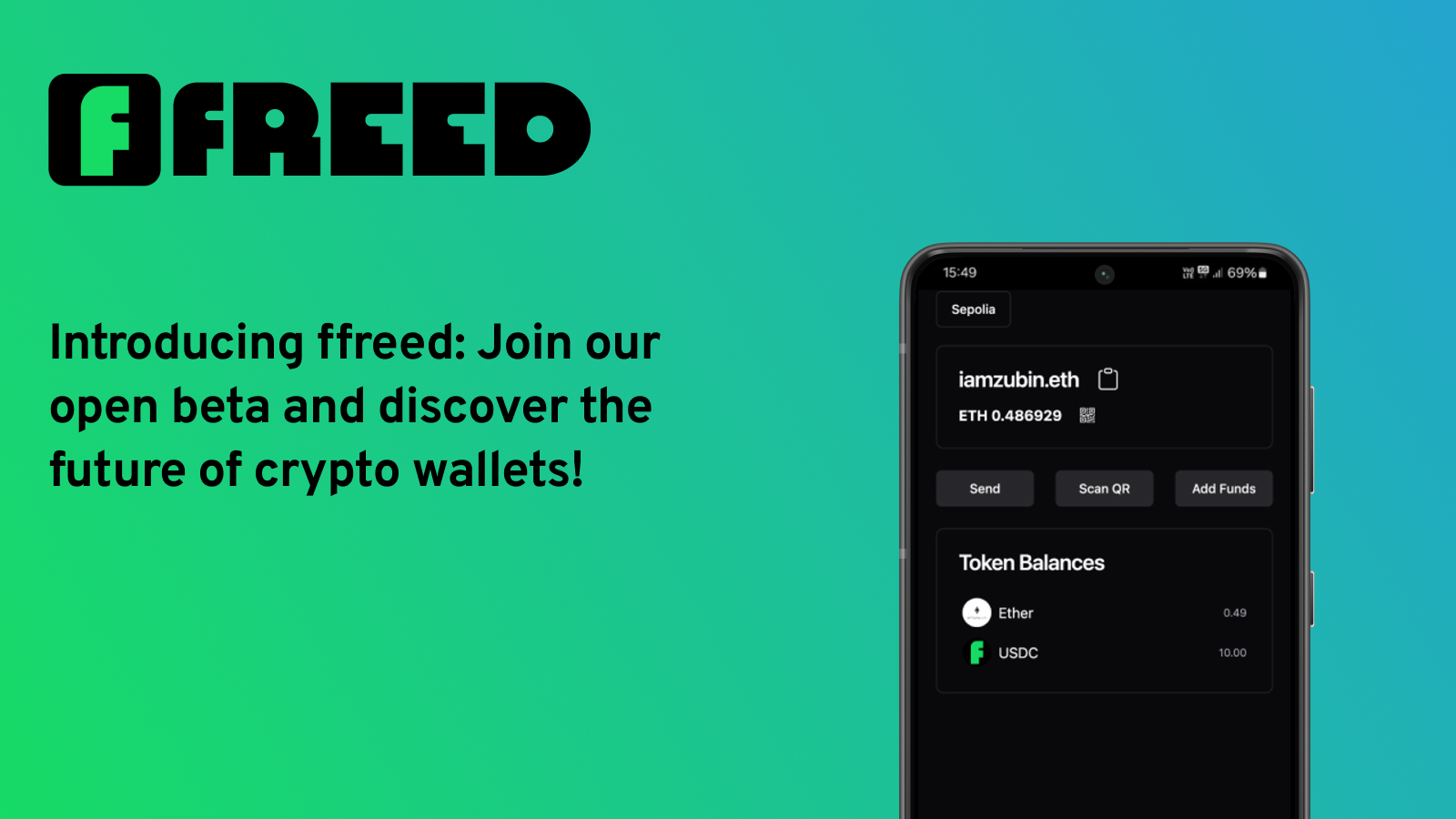
What started as an ERC-4337 smart account SDK evolved into something more focused: a web interface for Burner NFC hardware wallets. Burner (burner.pro) reimagines crypto self-custody as a simple, giftable NFC card—no apps, no seed phrases, just tap and sign.
I adapted the original FFreed infrastructure to create a browser-based companion that bridges the gap between physical hardware and on-chain interactions.
The Problem
Hardware wallets traditionally require:
- Mobile apps and firmware updates
- Complex setup flows with seed phrase backup
- USB cables or Bluetooth pairing
- Technical confidence many users lack
Burner solved the hardware layer with an NFC card that works straight from the browser. But it needed a web interface that matched its simplicity—something that felt as effortless as the tap experience itself.
The Solution
I built a web app at burner.iamzub.in that serves as the software companion to Burner's hardware:
Core Functionality
- WalletConnect integration — Connect to any dApp (Uniswap, Safe, etc.) via QR scan
- Transaction signing — Tap the Burner card to NFC to sign transactions in-browser
- Balance overview — Clean, minimal display of holdings
- Send and receive — Simple transfer flows optimized for the hardware experience
Technical Architecture
| Component | Technology | Purpose |
|---|---|---|
| Frontend | React + TypeScript | Responsive interface for desktop and mobile |
| NFC Communication | Web NFC API + libHaLo | Browser-to-card communication layer |
| WalletConnect | v2 SDK | dApp connectivity standard |
| Network Support | Ethereum + Bitcoin | Multi-chain hardware compatibility |
| Security | PIN protection | Card-level security with lockout after failed attempts |
Technical Challenges
1. Web NFC Browser Support
Web NFC is still emerging and varies across browsers. I implemented feature detection and graceful degradation, ensuring the core WalletConnect functionality works even when NFC isn't available.
2. Hardware Wallet State Management
Burner cards are stateless—the web app must track:
- Derived addresses without revealing private keys
- Pending transaction state across page reloads
- Session persistence while maintaining security
3. WalletConnect Session Persistence
Users expect to stay connected to dApps across browser sessions. I implemented secure session storage that maintains WalletConnect pairing without exposing sensitive material.
4. Tap-to-Sign UX
The core interaction—tap card, sign transaction—needed to feel instant. I optimized the NFC handshaking and minimized the steps between user intent and signed transaction.
What I Learned
-
Hardware-software integration requires obsession over edge cases — Card read failures, browser permission denials, and NFC field interference all needed handling
-
Web NFC is nearly ready — The API has matured significantly; hardware wallet web apps are now viable
-
Simplicity is constraint — Burner's "no seed phrase" philosophy forced design decisions that actually improved security UX
-
WalletConnect is the standard — Building on established protocols beats custom integrations
Technical Depth Demonstrated
- Web NFC implementation — Real-world browser-to-hardware communication
- Cryptographic integration — Secure transaction signing without exposing keys
- WalletConnect v2 — Modern dApp connectivity implementation
- Hardware wallet UX — Designing for physical-digital interaction patterns
The Outcome
- Live web interface — burner.iamzub.in works with physical Burner cards
- Real hardware integration — Tap-to-sign functionality in production
- Cross-chain support — Ethereum and Bitcoin compatibility
- Open source foundation — Built on libHaLo and BurnerOS tooling
Try it: burner.iamzub.in
Hardware: burner.pro
Standard: WalletConnect v2 + Web NFC